
Using a coin washer is straightforward once you make three decisions before paying: prepare the load, choose a drum with enough room, and follow the instructions printed on that specific machine. The basic process is to sort and check your clothing, load the washer without packing it tightly, add the right detergent, select an appropriate setting, pay as directed, and transfer the load promptly when the cycle ends.
This guide uses Beaumont Laundry in Beaumont, Alberta, as a local example. Its listed washer capacities and prices are useful for planning, but exact controls, payment options, cycle names, and instructions can vary. Treat the labels on the washer you are using as the final authority.
Quick summary
- Sort clothes, check pockets and care labels, and bring suitable detergent.
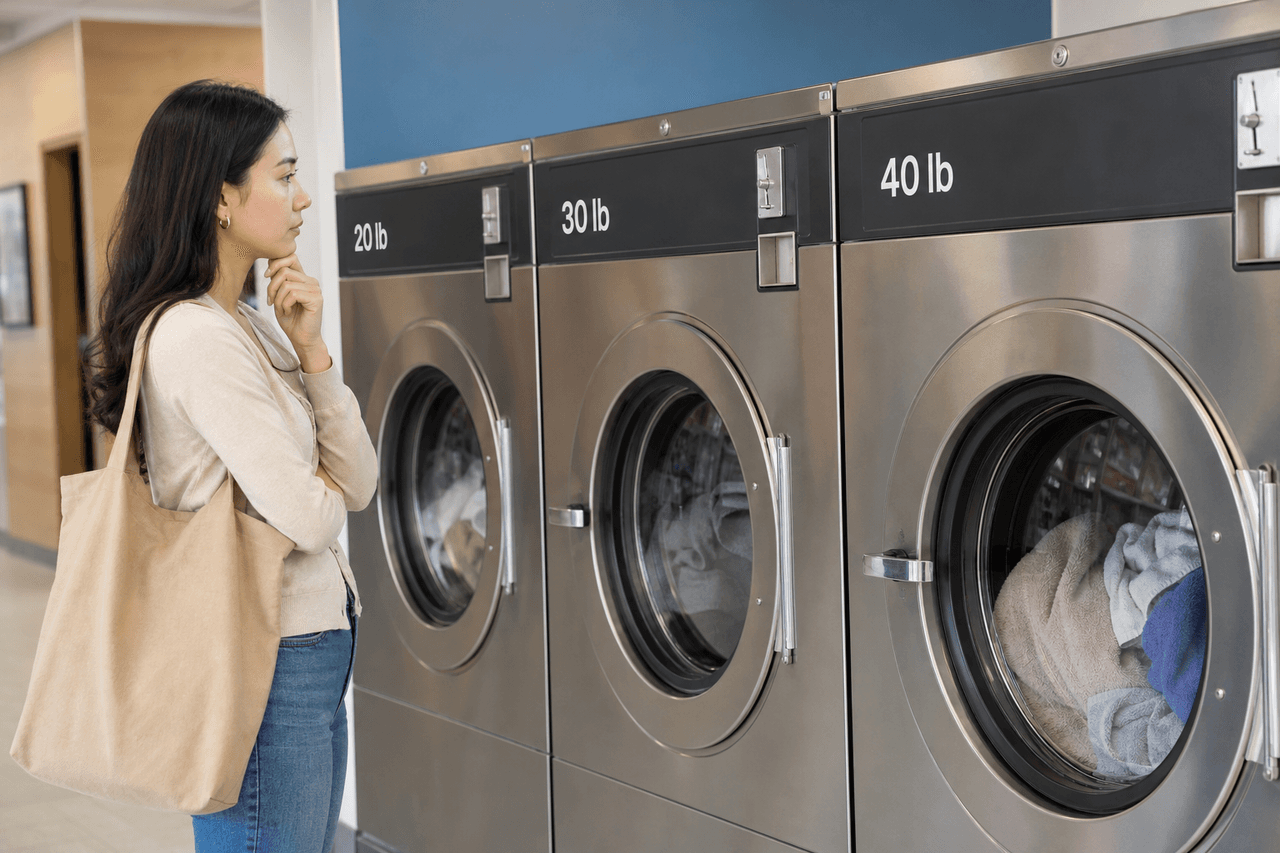
- Choose a 20 lb, 30 lb, or 40 lb washer based on available space, not by forcing a full drum.
- Inspect payment and operating instructions before inserting money. Do not assume the machine accepts only coins or supports cards.
- Close the door or lid, start the cycle as directed, and have a dryer plan ready.
- If operating the machine is inconvenient, compare self-service with drop-off wash, dry, and fold or pickup service.
1. Prepare before you visit the laundromat
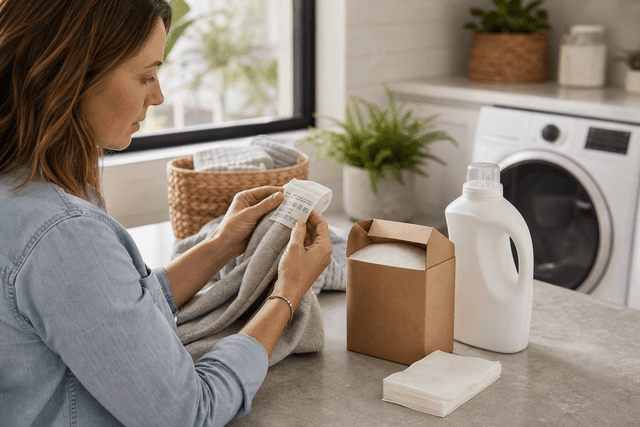
Separate lights, darks, colours, and fabrics according to their care labels. Keep delicate items and garments requiring special temperatures or air drying apart from ordinary washable clothing. Check every pocket for tissues, paper, coins, and objects that could damage clothing or the machine.
Bring detergent suitable for a shared commercial washer, and check its label before deciding how much to use. If you are washing bulky items, allow enough time to dry them properly. A laundry bag can help contain small items, while a separate bag keeps clean clothing away from dirty laundry.
General coin-washer guidance follows this sequence: choose the temperature, add detergent, load without overfilling, close the lid or door, and insert payment according to the machine's directions. This official operating guidance is a useful general reference, but it does not replace the instructions on the washer.
2. Choose the right washer size
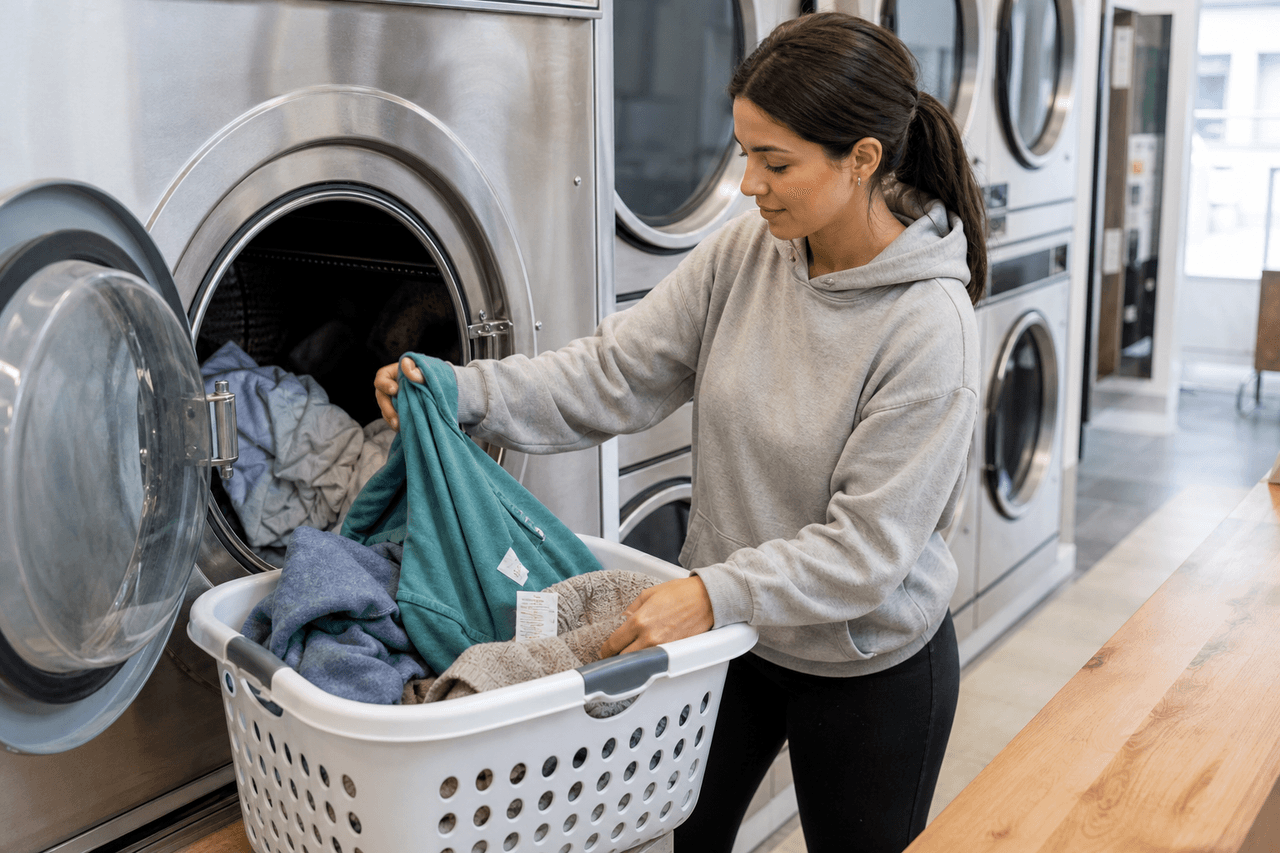
Capacity is both a weight limit and a space decision. Choose a washer in which laundry can move freely. If the load fills the drum tightly before the cycle starts, use a larger machine or split it into two loads.
A larger washer may be useful for bulky bedding, but do not choose it simply because it is available. The best option is generally the smallest capacity that accommodates the load loosely and safely.
Washer capacities and listed Beaumont prices
The supplied Beaumont Laundry pricing snapshot lists these self-service washer options. Confirm the current price, machine availability, and on-site instructions before starting.
| Washer | Capacity | Listed price | Decision rule |
|---|---|---|---|
| Small | 20 lb | $5.50 per load | Use when the load fits with clear space for movement. |
| Medium | 30 lb | $7.50 per load | Use when a small washer would be crowded. |
| Large | 40 lb | $10.00 per load | Consider for a larger or bulky load needing room. |
Before starting, check the laundry machine prices and capacities so you can match the load to your budget. These figures are a pricing-page snapshot, not a guarantee of the price at your visit.
3. Load the washer without overfilling it
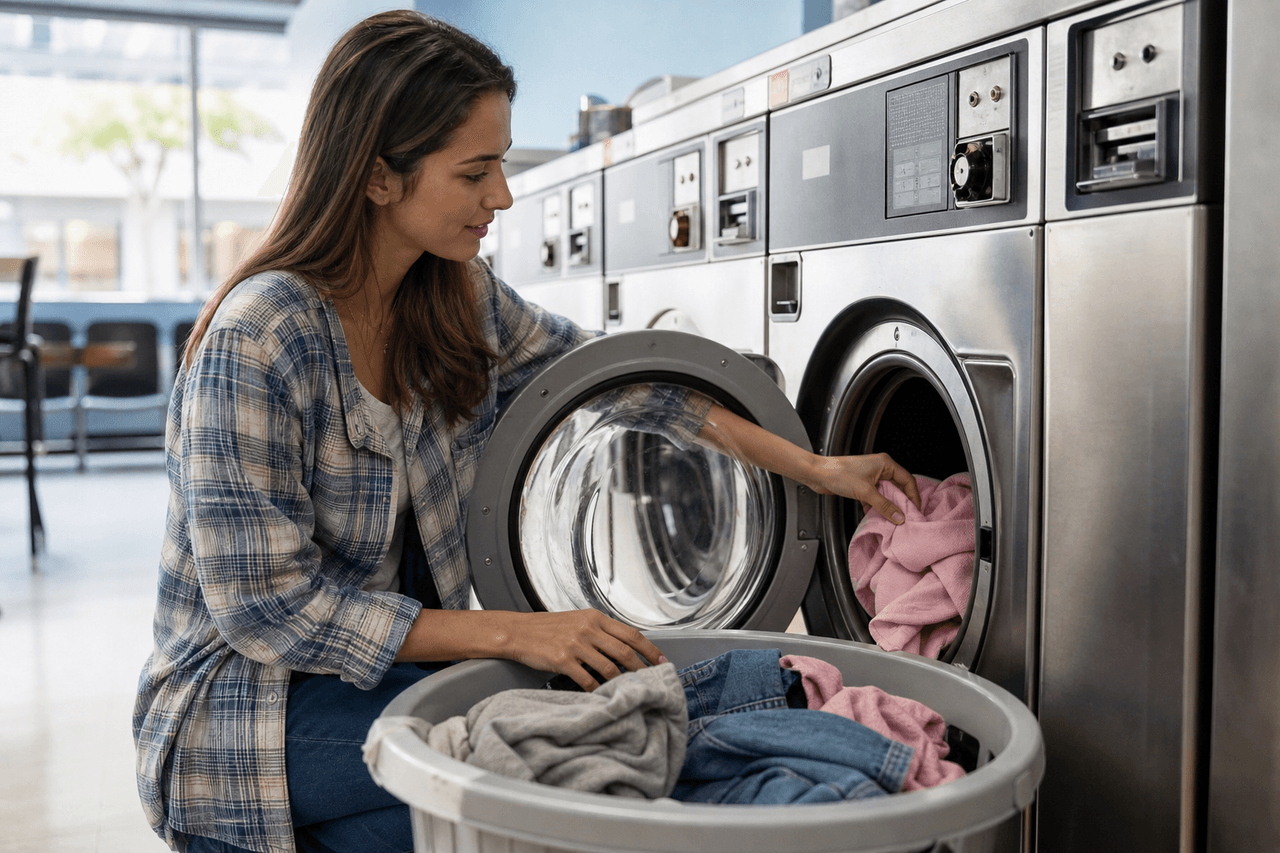
Place items in the drum evenly rather than pushing everything into one dense bundle. Leave room for water and movement. A load can be below the stated weight limit and still be unsuitable if thick fabrics are packed tightly.
Do not use the entire visible drum as a fill line unless the machine specifically says to do so. The capacity label and operating directions take priority. Close the door or lid fully, because many machines will not begin or spin unless it is secured.
If you are unsure, remove some items before paying. Splitting a crowded load usually gives more predictable results than paying for a cycle that cannot circulate water and detergent effectively.
4. Add detergent and choose the water temperature
Use the detergent amount shown on the product label, adjusted for the load size and the washer's instructions. More detergent is not automatically better. Excess product can leave residue, create excess suds, or make rinsing less effective.
Choose cold, warm, or hot only when that option is available and suitable for the fabric. Follow care labels, especially for wool, elastic, bright colours, and delicate materials. Official self-service laundry guidance supports selecting a suitable temperature rather than treating one setting as correct for every load.
Do not assume that a hot setting guarantees sanitization or removes every biological hazard. Temperature performance depends on the machine, programme, and load. For unusual items or hygiene concerns, follow the manufacturer's care instructions and ask the laundromat for guidance.
5. Check payment instructions and start the cycle
Before inserting money, read the panel from beginning to end. Identify the washer number, available cycles, temperature controls, payment slot, start button, and any instruction about selecting a cycle before or after payment. Check the displayed price against the amount required.
The available information does not confirm whether Beaumont Laundry's washers accept only coins or also support cards, laundry cards, or another payment method. Follow the specific machine's instructions, and ask for assistance if the payment method or sequence is unclear.
Once the load is secure, detergent is added, and the cycle is selected, insert payment exactly as directed. Start the washer and confirm that it has filled, locked, or begun operating as shown on the panel. Keep a receipt or note the machine number if the facility provides a transaction record.
6. Monitor the wash and plan the next step
You usually do not need to interfere with a running cycle. Note the washer number and keep your drying supplies ready. Avoid opening or stopping the machine unless its instructions permit it or there is a safety issue.
Transfer laundry as soon as the wash ends. Leaving clean laundry in a closed machine can lead to odours and prevents another customer from using it. Check each item before drying, particularly garments requiring low heat, air drying, or flat drying.
Dryer controls, prices, temperatures, and cycle times are not confirmed here for Beaumont Laundry, so read the dryer panel before paying. Shake out large items, avoid filling the dryer too tightly, and remove laundry when dry.
7. What to do if the washer does not start or stops
Do not repeatedly add money when a machine does not respond. Work through this checklist:
- Door or lid: Confirm it is fully closed and that no clothing is caught in the seal.
- Cycle selection: Check that a valid cycle and temperature have been selected.
- Payment sequence: Confirm whether payment is required before or after selecting the cycle.
- Display: Look for an error message, flashing light, or instruction explaining the problem.
- Machine number: Record it before moving your laundry.
- Help: Contact Beaumont Laundry rather than opening a panel or attempting a repair.
If the cycle starts and then stops, note what happened and whether the display shows an error. Do not move wet laundry into another machine until you understand whether the first cycle completed or assistance is needed.
8. Decide whether self-service is the best option
Self-service laundry suits people who want control over sorting, detergent, temperature, and wash timing. It also works well when you can remain available to transfer the load to a dryer.
Drop-off service is more practical when time matters more than operating the machine yourself. Beaumont Laundry's documented offering includes wash, dry, and fold care. Its pricing snapshot lists drop-off service at $2.50 per pound for regular clothes, so confirm the current price and included items before handing over a load.
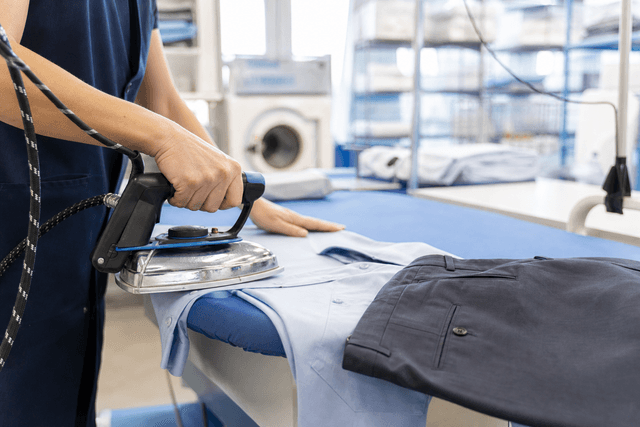
Pickup service may help when transportation is the main difficulty, but confirm scheduling and collection details directly. Ironing is a separate option for clothing that needs pressing. Compare these alternatives through the available drop off service and wash, dry, and fold information.
| Your priority | Likely option | Reason |
|---|---|---|
| Control over the process | Self-service | You choose the load, detergent, and available settings. |
| Less hands-on time | Drop-off wash, dry, and fold | The service handles the main laundry steps. |
| Difficulty transporting laundry | Pickup service | Ask about scheduling and collection details. |
| Wrinkled clothing | Ironing service | The need is pressing rather than a standard wash cycle. |
A first-time coin-washer checklist
- Sort laundry and read care labels.
- Check pockets and separate special-care items.
- Bring suitable detergent and plan for drying.
- Choose a drum that will not be crowded.
- Confirm the current price and accepted payment method.
- Load loosely, add detergent, and select the temperature.
- Close the door or lid and follow the printed start sequence.
- Note the machine number and confirm the cycle has begun.
- Transfer the load promptly and follow dryer instructions.
Frequently asked questions
How much detergent should I use in a coin washer?
Use the amount shown on the detergent label for the load size while following the washer's instructions. Avoid adding extra product to compensate for a crowded load.
How do I know if I am overloading a laundromat washer?
If laundry is compressed, fills the drum tightly, or cannot move freely, the load is too large. Remove items or choose a larger capacity. The machine's stated limit and fill instructions take priority.
Which washer size should I choose?
Choose the smallest washer that leaves room for movement. Beaumont Laundry's supplied pricing snapshot lists 20 lb, 30 lb, and 40 lb options. Match the load to available space rather than trying to fill every part of the drum.
What should I do if I am unsure how to pay?
Read the payment panel before inserting money and confirm the accepted method and sequence. The available information does not verify whether every Beaumont washer accepts coins only or offers another option. Ask for assistance if necessary.
When is drop-off wash, dry, and fold more practical?
Choose drop-off when you have limited time, a large backlog, or no convenient way to stay for washing and drying. Self-service is better when you want direct control. Confirm current pricing and item restrictions first.
Choose the process that fits your laundry day
To use coin washers confidently, prepare before arriving, select a capacity that leaves room for movement, add detergent carefully, and read the machine's payment and control instructions before paying. When the sequence or payment method is unclear, pause and ask for help rather than adding money repeatedly or trying to repair the equipment.
Self-service gives you control, while drop-off, pickup, and ironing can reduce hands-on work when time or clothing-care needs matter more. For local laundry assistance in Beaumont, Alberta, contact Beaumont Laundry and confirm the current machine details or service option that fits your load.
- Self-service laundromat
- how
- to
- use
- coin
- washers